The "Inspire by FVMA" program is a well-being initiative designed to support veterinary professionals in Florida by providing mental health resources, including up to three free therapy sessions, access to licensed counselors, and workshops to address workplace stress and burnout.
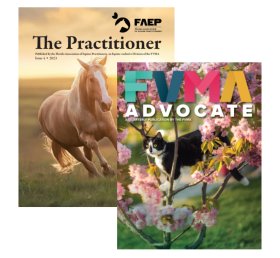
Advocate
Features
Practitioner
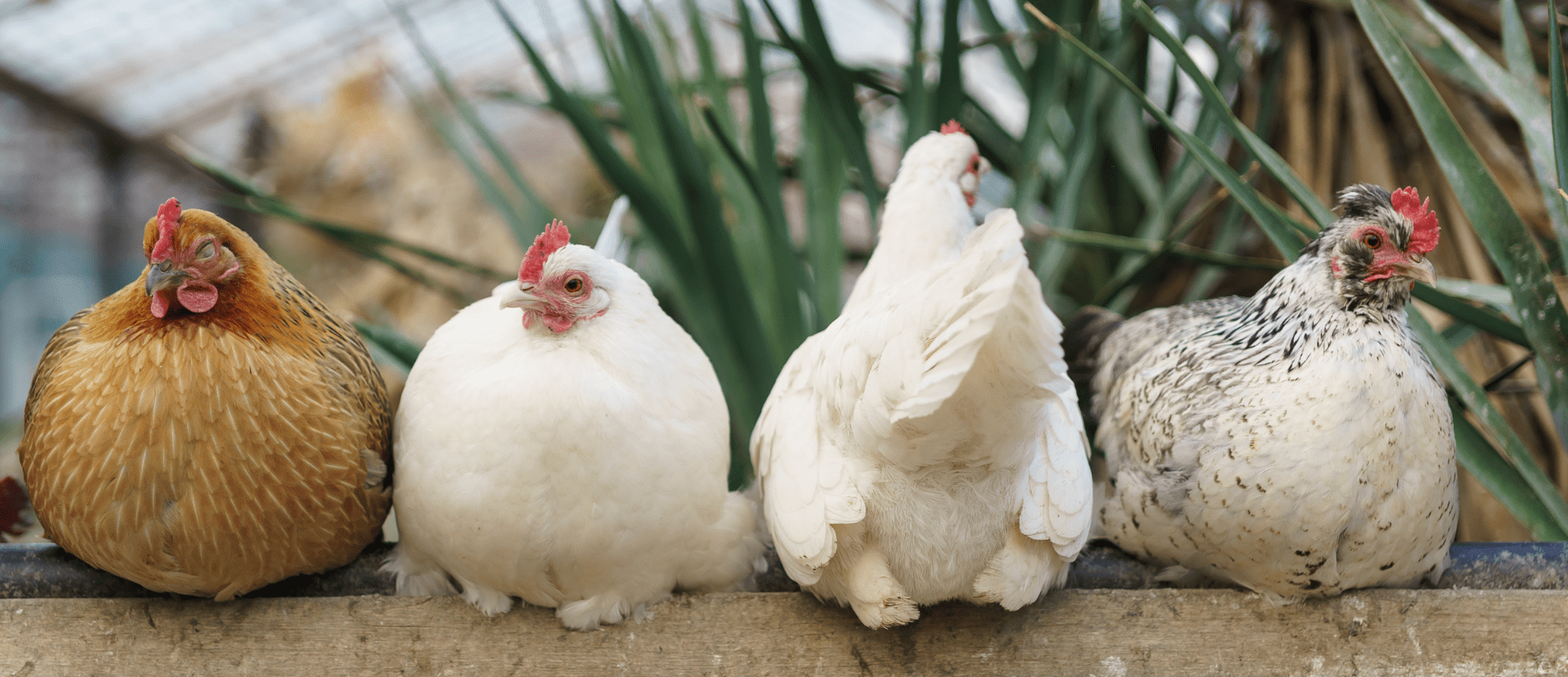
At a training facility, you may have animals arriving that are traveling to shows locally as well as nationally. These clients’ animals may have been exposed unknowingly to infectious pathogens. The aim of a good biosecurity program is to prevent the dissemination of these pathogens. In order to prevent the dissemination of disease at your...
Read More
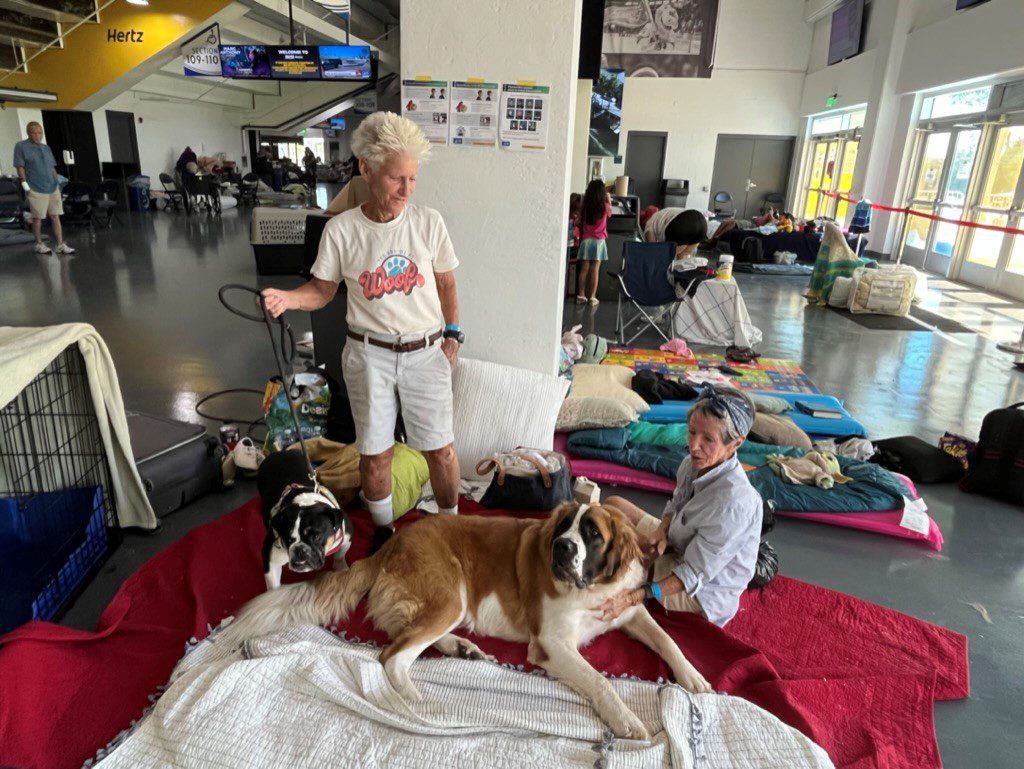
Hurricane season has begun in Florida, and preparing for these storms is a song and dance many Floridians have become familiar with each year. With many hurricanes over recent years having grown in severity, it is as essential as ever to remain aware and prepared for—though not afraid of—what lies ahead. When lives are altered...
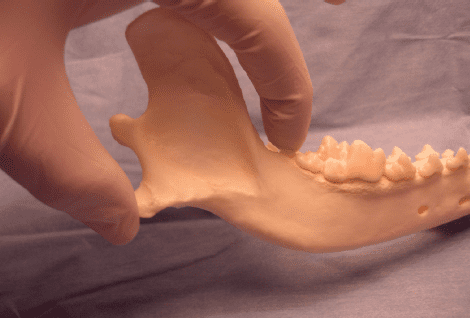
Objectives: Pathophysiology: When it comes to sensation, the key sensory tissue for the tooth is the pulp and gingival soft tissue with surrounding alveolar bone. Noxious stimuli to the pulp only results in one sensation: pain. The pulp is innervated with alpha (acute pain) and C-delta (chronic pain) fibers that respond to any stimuli with...
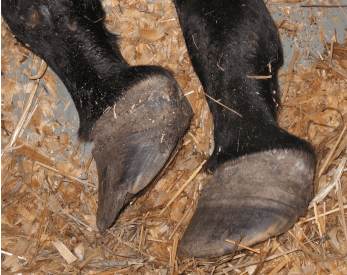
Colic and lameness are two of the most clinically and economically important medical problems facing horses and their owners. Pain is a critical component of each disease process, and its alleviation is critical to a successful outcome. A limited number of analgesics are available for use in horses, and many are associated with significant untoward...
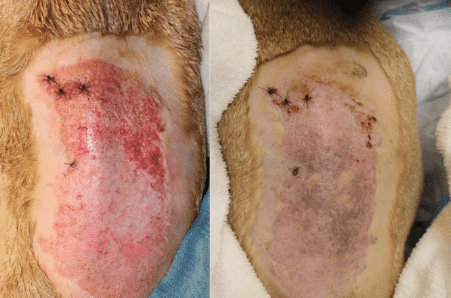
Photobiomodulation is the use of visible to near-infrared light waves to create therapeutic changes in the skin. Fluorescence photobiomodulation is a subset of this and has been used to treat cutaneous infections, inflammatory conditions, and wounds. It has a favorable safety profile and offers another option in the treatment of dermatologic diseases in veterinary species....
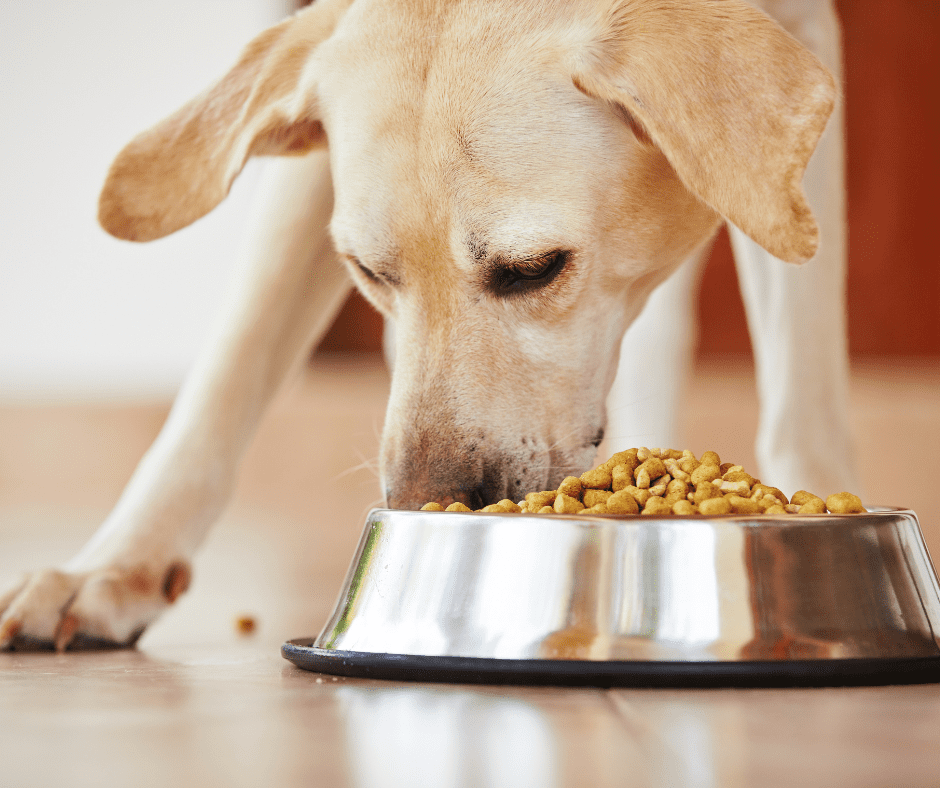
Introduction Nutrition is vitally important to the hospitalized patient. Unfortunately, the nutritional needs of hospitalized patients are often overlooked. Doctors’ orders might not include specific feeding instructions. Patients may be unwilling or unable to eat or may not be consuming adequate calories to meet their energy requirements. Whatever the reason, as patient advocates, veterinary nurses...
Join Now to get our publications!
Want to stay up to date on the latest in veterinary medicine? Sign up for our newsletter and get industry news, expert insights and exclusive updates—delivered straight to your inbox.