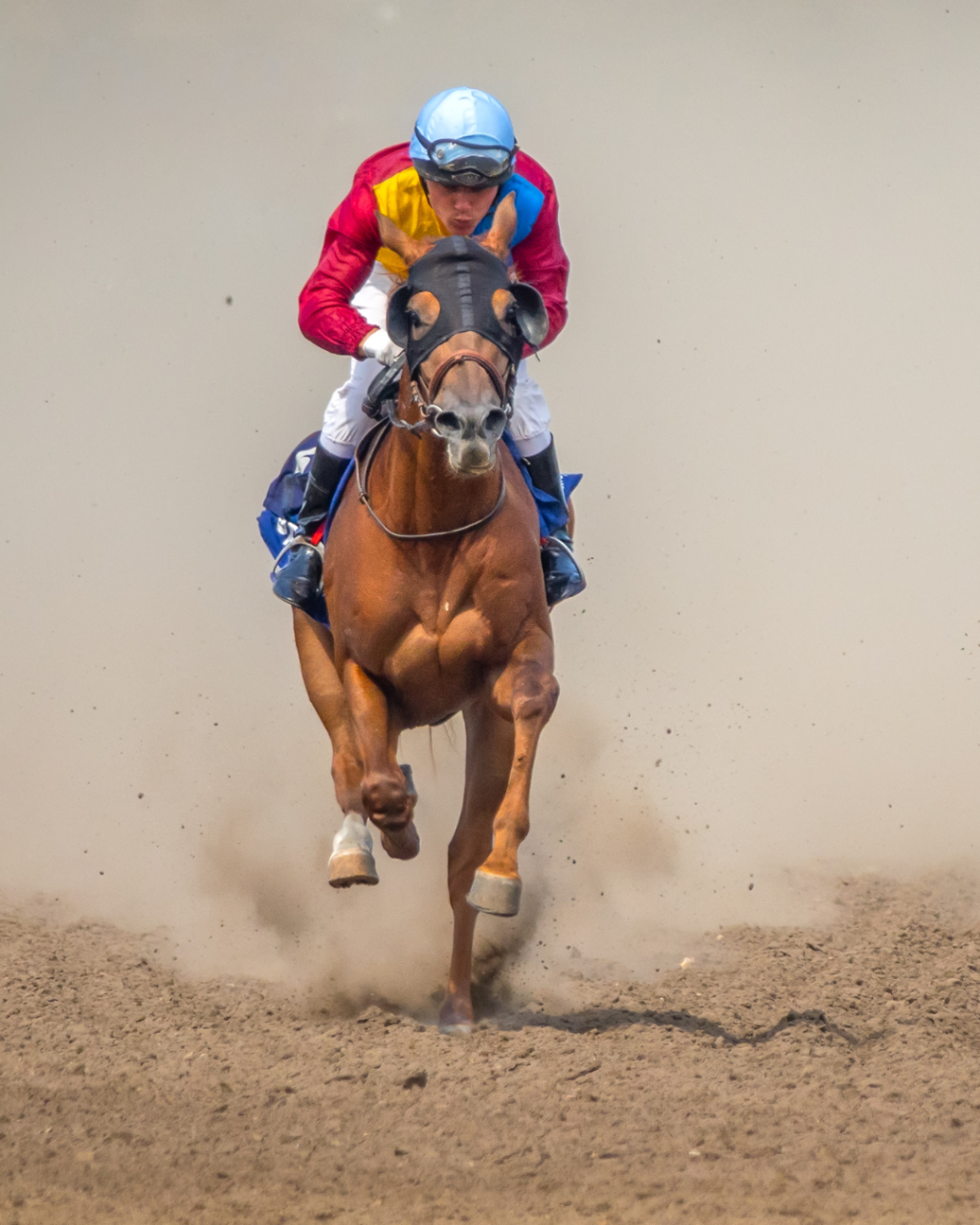


A bill with the potential to upend Florida’s horse racing industry is moving quickly through the state Legislature. The proposed Thoroughbred Permitholders Bill (HB 105), one of many “decoupling” bills introduced in recent years, cleared the first of its two House committees in a 12-4 vote, raising serious concerns among equine professionals, business owners, and industry advocates within the Sunshine State.
WHAT’S AT STAKE?
Current law requires racetracks that operate gambling devices to host at least 40 live horse racing events per year to maintain a gaming license. If passed, HB 105 would allow these facilities to operate without hosting live horse racing. While proponents argue that this “decoupling” would give gaming businesses more flexibility, the bill could severely impact the livelihoods of veterinarians, breeders, farriers and other industry professionals who rely on a thriving racing sector for economic security.
As an organization dedicated to protecting and supporting the professional development of equine veterinarians and medical staff , the Florida Association of Equine Practitioners (FAEP) has taken a fi rm stance against HB 105, warning that it could dismantle the foundation of Florida’s horse racing industry. Two of the state’s remaining racetracks—Gulfstream Park and Tampa Bay Downs—could drastically cut back or even eliminate live racing altogether. Th e ripple effects would be devastating to local economies, leading to job losses, business closures, and the decline of an industry that generates billions in economic activity.
ECONOMIC AND CULTURAL IMPACT
According to Dr. Adam Cayot, president of the FAEP, Florida’s horse racing industry contributes more than $3 billion in revenue to the state’s annual economy. However, it’s not just the state’s bottom line that would be affected.
Aside from the revenue that is produced, there are thousands of jobs that revolve around the horse racing industry,” says Dr. Cayot. “Small businesses like feed stores, tack shops, farriers, veterinarians, trainers, riders, groomers, and even local restaurants near the tracks could disappear if this bill passes.”
As a longtime veterinarian in Marion County—home to Ocala, also known as the “Horse Capital of the World”—Dr. Cayot understands the deep roots of Florida’s racing heritage.
“Th e farms and the racing industry are the lifeblood of where I live, and this House bill could and would adversely affect it forever,” he warns.
For historical context, Ocala’s horse racing tradition dates back to the 1940s, when Carl G. Rose developed the first Thoroughbred horse farm in Florida. Today, Ocala/Marion County is one of only four major thoroughbred centers in the world, home to 600 thoroughbred horse farms that have produced 45 national champions, six Kentucky Derby winners, 20 Breeders’ Cup champions, and six Horses of the Year. More than 35,000 Thoroughbreds currently reside in the area, according to the Ocala/Marion County Visitors and Convention Bureau.
NOW IS THE TIME TO ACT
Th e potential passage of HB 105 threatens to reshape Florida’s equine industry, putting thousands of jobs and businesses at risk. Th e FAEP urges all industry professionals, horse owners, and concerned citizens to contact their legislators and voice their opposition.
Florida’s racing legacy—and the economic stability of countless small businesses—hangs in the balance. Now is the time to take a stand.